
What’s new in Jublia AI: Q3 2026 Releases Roundup
All updates that are designed to give event teams more control, better discovery, and a stronger operational foundation.
October 8, 2026
Every event comes with different demands — from managing meeting structures and schedules at scale to helping attendees discover the right people and content.
In Q3 2026, we introduced six updates across semantic discovery, meeting management, schedule printing, search, external integrations, and branded domain security. Together, they give event teams more flexibility while strengthening the experiences and infrastructure behind their events.
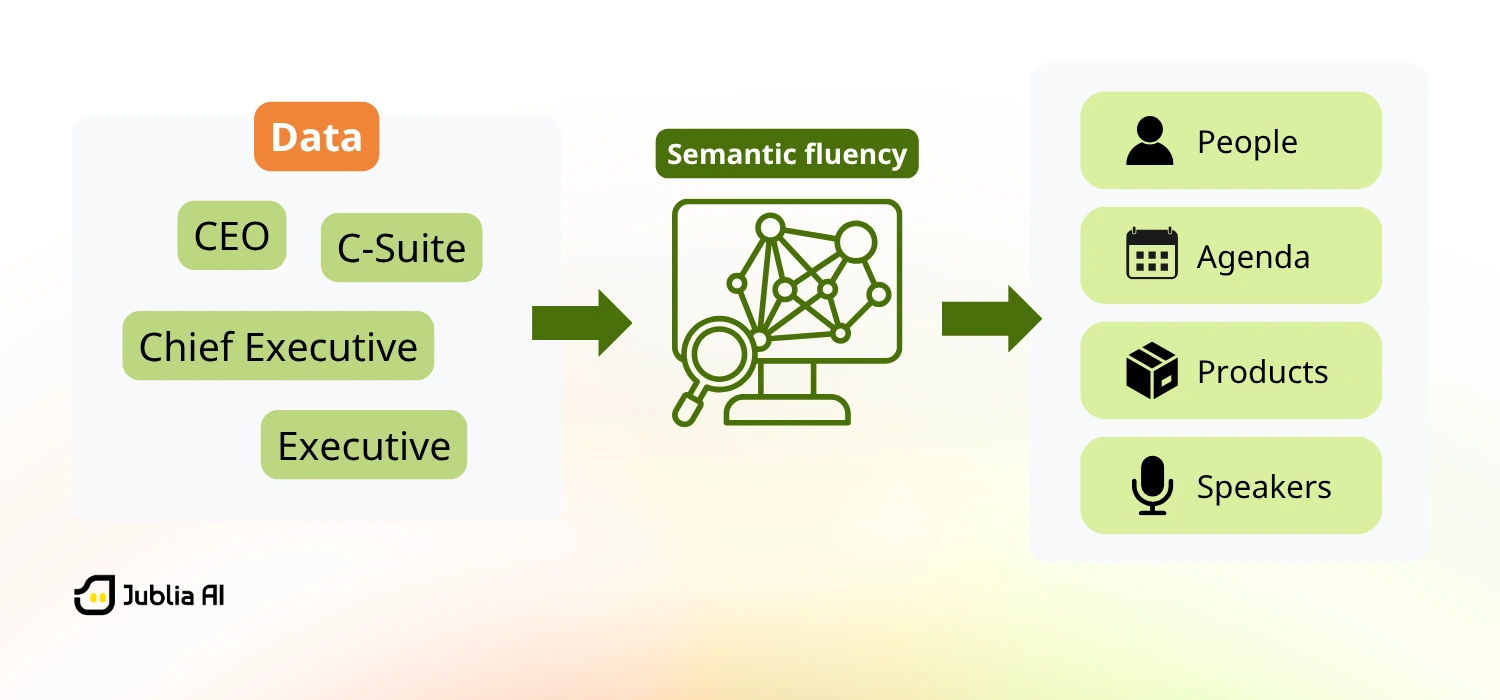
Our Data Mesh has been upgraded with deep semantic capabilities that allow event data to be represented based on meaning and context.
Key updates include:
This creates a stronger foundation for wider discovery across event data, making context less dependent on the exact terminology used to describe people, products, sessions, and speakers.
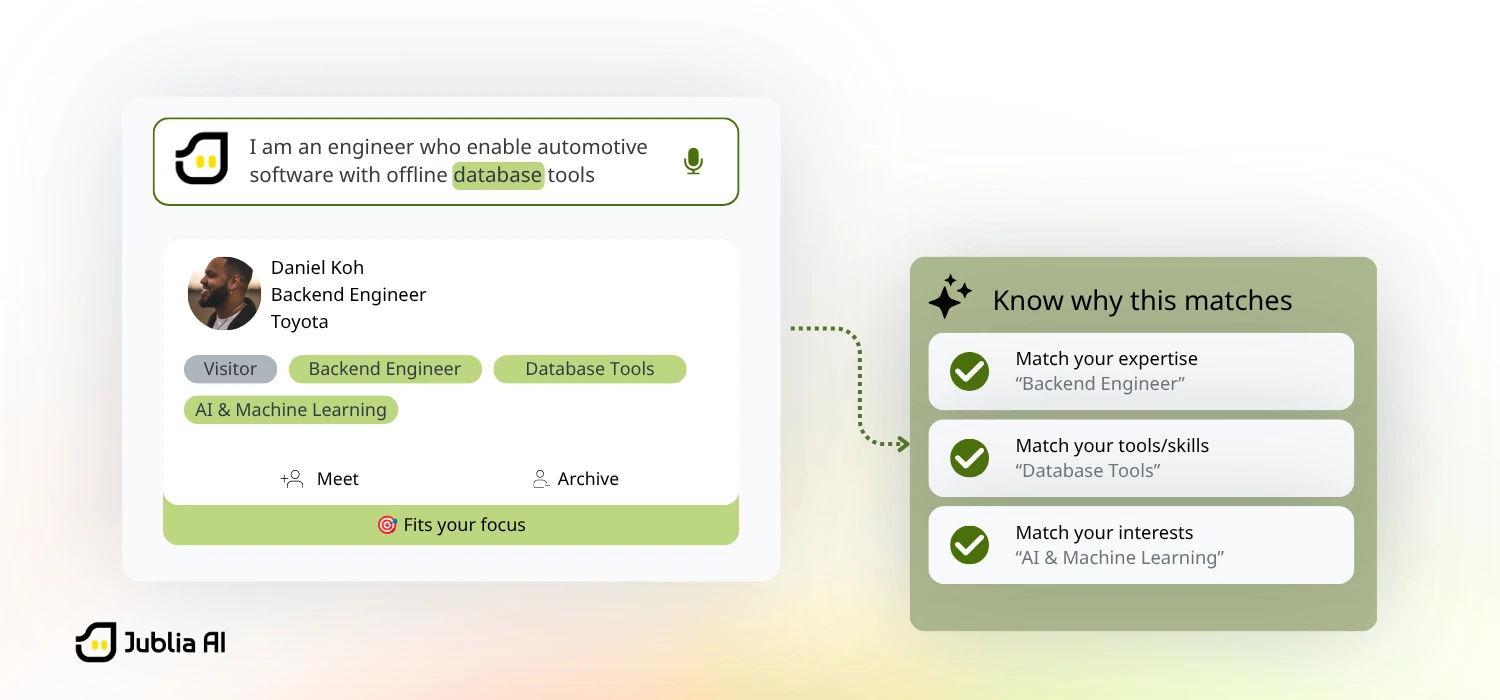
Building on the semantic data upgrade, Semantic Annotations gives attendees more context around why a result matches their search. It provides visible cues that help attendees understand why a profile is worth exploring.
Key updates include:
By understanding the context behind search results and highlighting the attributes that make them relevant, Semantic Annotations helps attendees discover and evaluate potential matches more quickly. Instead of having to scan through a full profile to manually find relevance, key matches to a search and user’s interests will be prominently highlighted to aid the user in evaluating the profile.
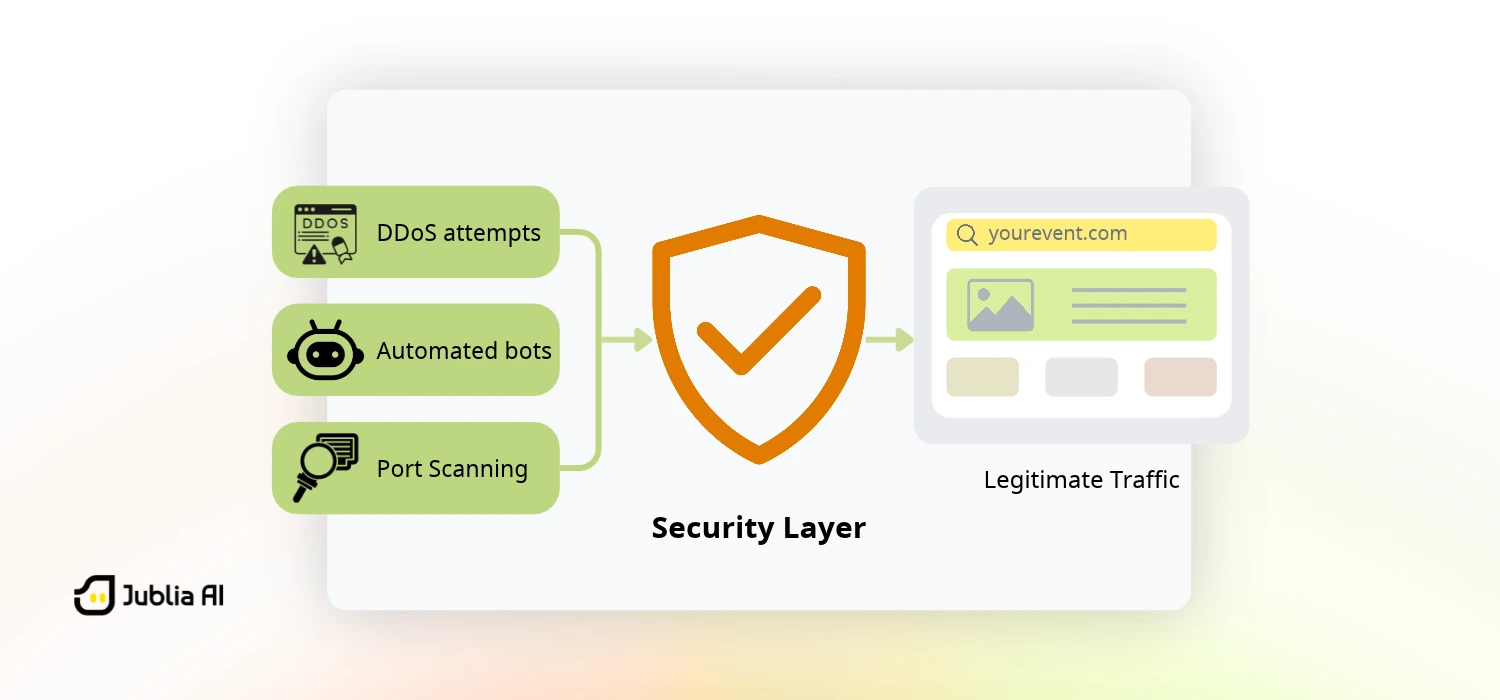
We are bringing the standardized security layer that exists within our platforms to all domains, including your branded event domains.
Key updates include:
Domains are an important part of an event’s digital experience, so protecting them from unwanted and potentially harmful traffic is essential. This added security layer helps provide a more protected foundation for your attendees’ data and their event experience.
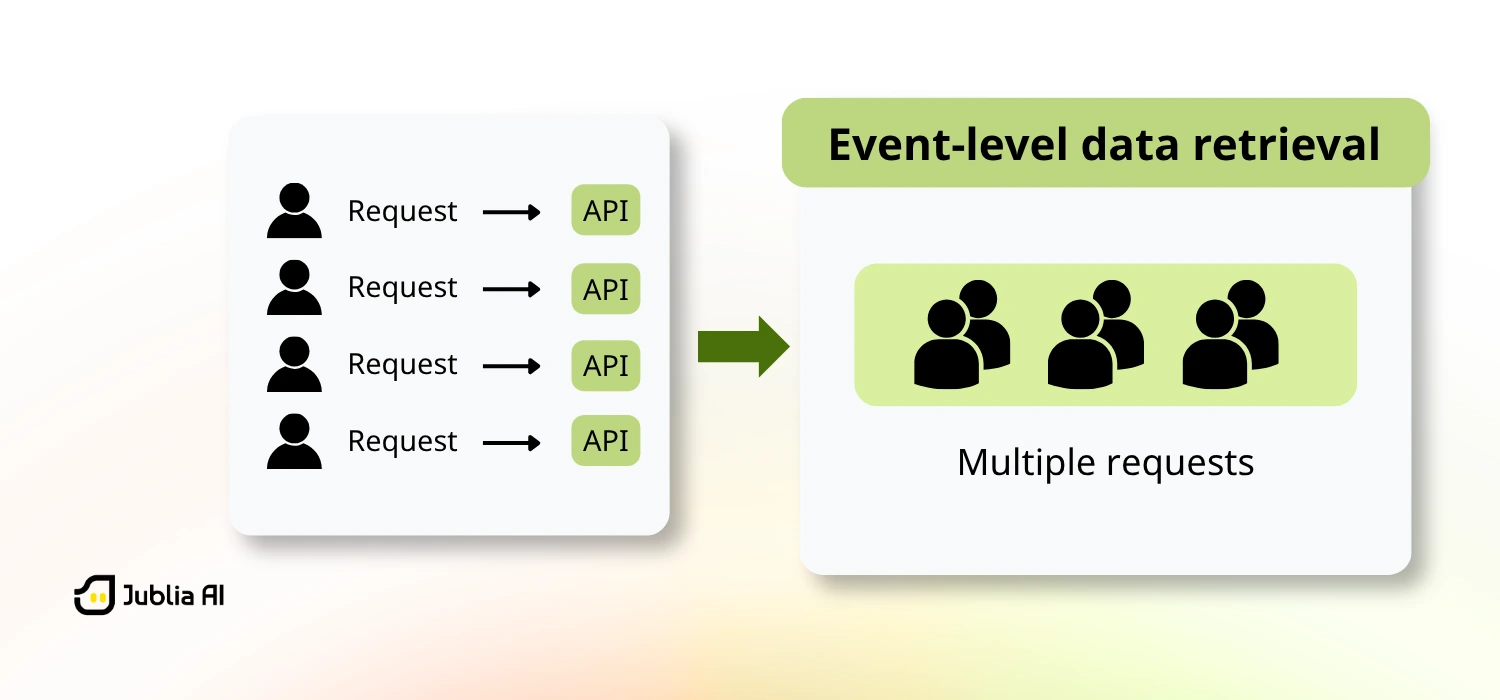
Our external API has been updated to make it easier for connected systems to work with event data at scale, while strengthening how API access is managed.
Key updates include:
These updates reduce the operational overhead of event data integrations and strengthen security by limiting how long API credentials remain valid.
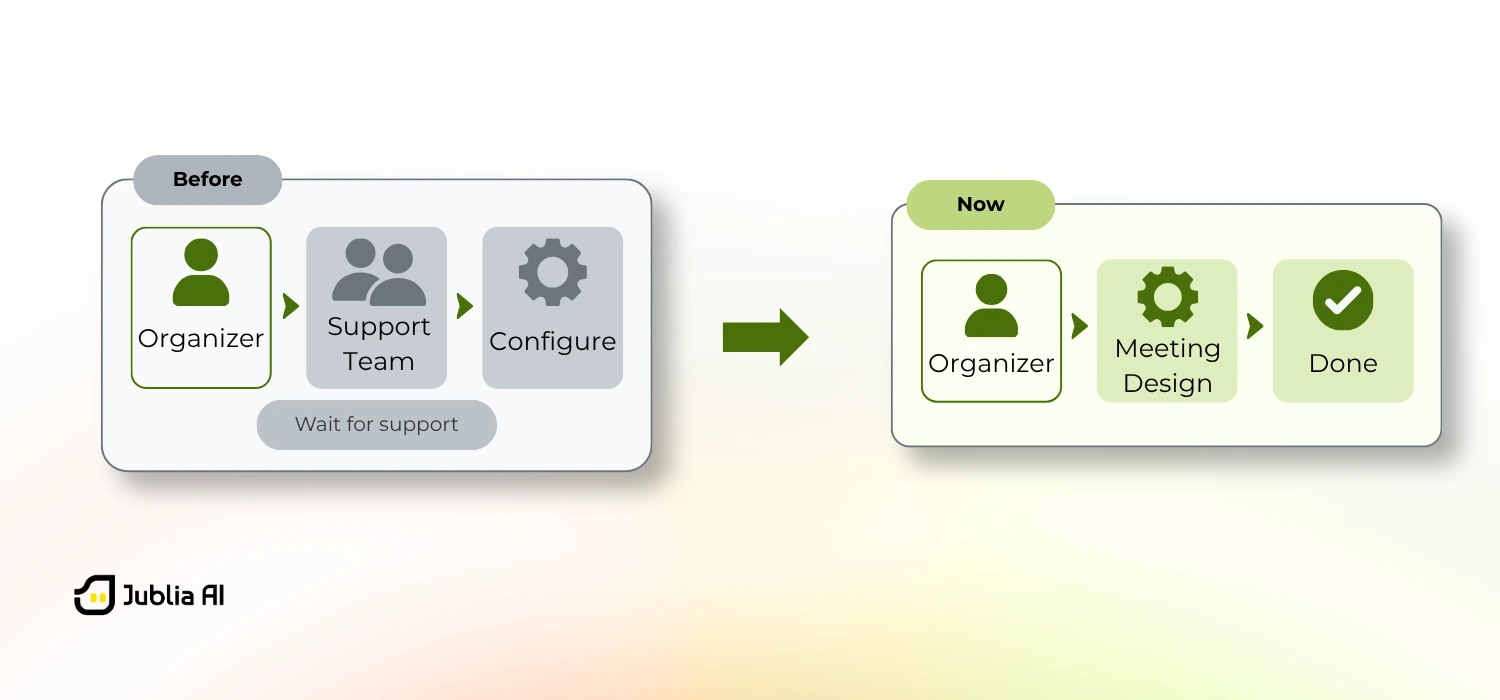
Organizers can now configure and adjust key meeting settings directly from Sense, without relying on support for every change. This gives event teams more control over how meetings are structured and as event requirements evolve.
Key updates include:
Meeting requirements can change throughout the event setup process. Being able to make these adjustments directly helps organizers respond faster without adding another step to the workflow.
This means event teams can move from meeting setup to launch with fewer dependencies on support.
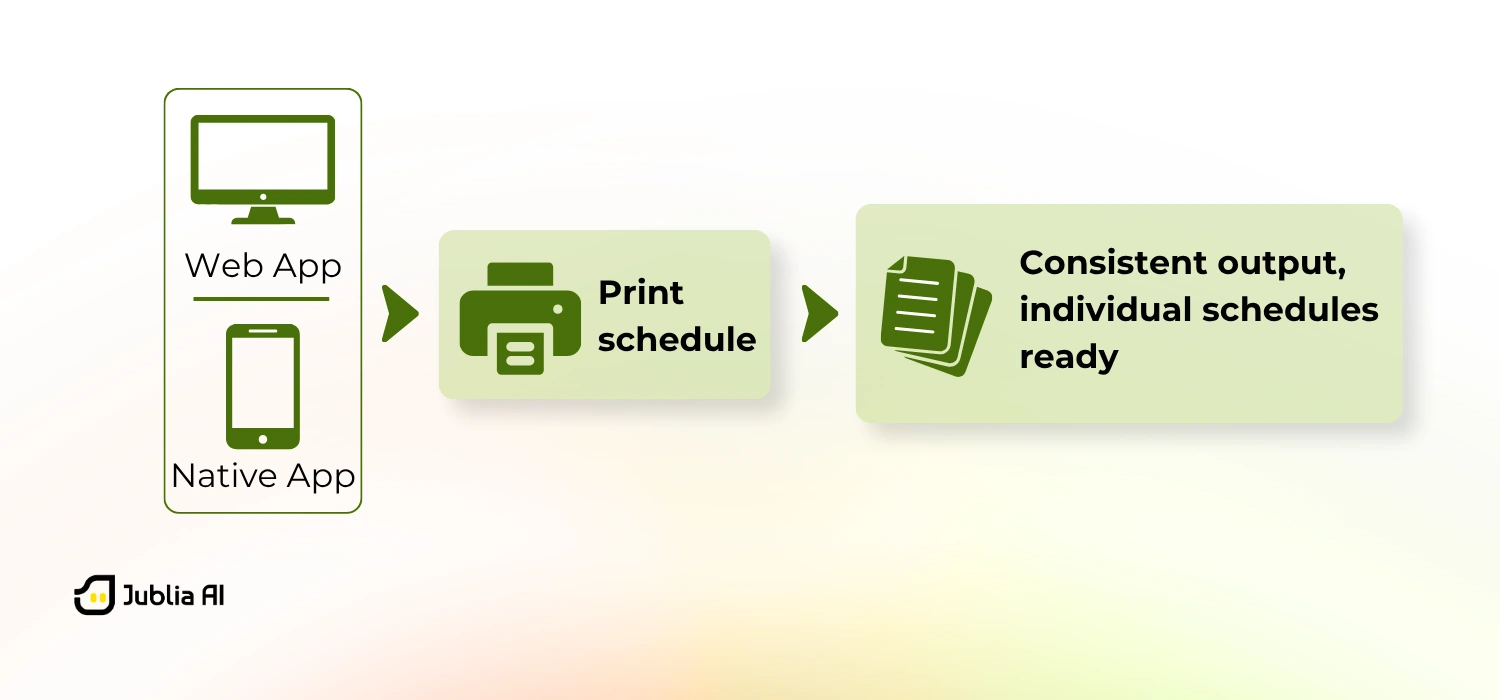
We’ve standardized the schedule printing experience across Web and Native App to make bulk schedule preparation more consistent and reliable for event teams.
Key updates include:
Printing schedules for large events can involve producing hundreds of individual copies. A standardized experience helps event teams handle this process with less manual intervention and greater confidence in the final output.
From giving organizers more control over meeting setup to helping attendees find what they’re looking for, these updates are designed around the practical demands of running and participating in an event. And as event requirements continue to evolve, we’ll keep improving the tools and infrastructure behind those experiences.
Want to see what these updates could mean for your event? Talk to our team to explore more features.


 Why Relevant Matches Get Overlooked When Recommendations Become Too Narrow
Recommendations help curate options at events, but what happens when they get too narrow and repetitive
 How Personalization Can Reintroduce Friction Instead of Curating Options
Why the data behind your recommendations decides whether they curate the event for attendees, or just relabel the same choice problem.
 The Effort Trap: Why Attendees Engage More When the Platform Does the Finding
What event data reveals about attendee effort and engagement


.gif)
%201.png)
%201.png)
%201.png)
--p-2000.webp)
%20Black-Black%20Eyes.gif)


.png)