Actual article date: Jul 9, 2015

What caught my attention while reading Forrester Research’s on Asia Pacific Technology Predictions 2015 was not the increase in spending on data analytics tools but that a shrinking portion of it will be visible in the IT budget. Businesses are changing faster than ever, and the sales and marketing teams are finding that timely response to shifting customer needs is essential for improving customer experience (and in turn, increasing revenue). The needs can be anything from the attendee’s expectations about your event to their individual preferences of speaker sessions and agenda items.
To start building your ‘customer insight’ arsenal, you need to answer 4 basic questions:
• What data points will be useful for me to understand my buyers and customers?
• Through what means will I receive this data?
• What resulting action is necessary on the collected data?
• How can the information be used throughout the organization?
The aim of your company should be to capture as much useful data which highlights the customer journey. Data capturing can start when the attendee purchases the ticket and his expectations pre-event to his experiences at the event (like the relevant connections he made, the speaker sessions he enjoyed, etc.). It doesn’t need to stop there. You can follow up post-event by finding his takeaways from your event and whether it had an overall positive or negative impact on him. After having collected this data, you need to focus on closing the gap between the available data and actionable insights. Through these insights, you will not only be able to understand what truly motivates your buyers and customers to come to your events (i.e. business intelligence on attendee registration behaviour) but also how various touchpoints combine in a chain to influence the attendees’ decisions.
Having a strong mastery of data analytics at Jublia, we understand the possible problems one may face while collecting and analysing customer data like the challenges in data management to the difficulties in processing real-time data. If you have limited know-how with data processing, start small and with static / past event datasets. Once you build up your understanding of the process, understanding your attendees will be straightforward and undoubtedly crucial for your organization to stay ahead of the competition.


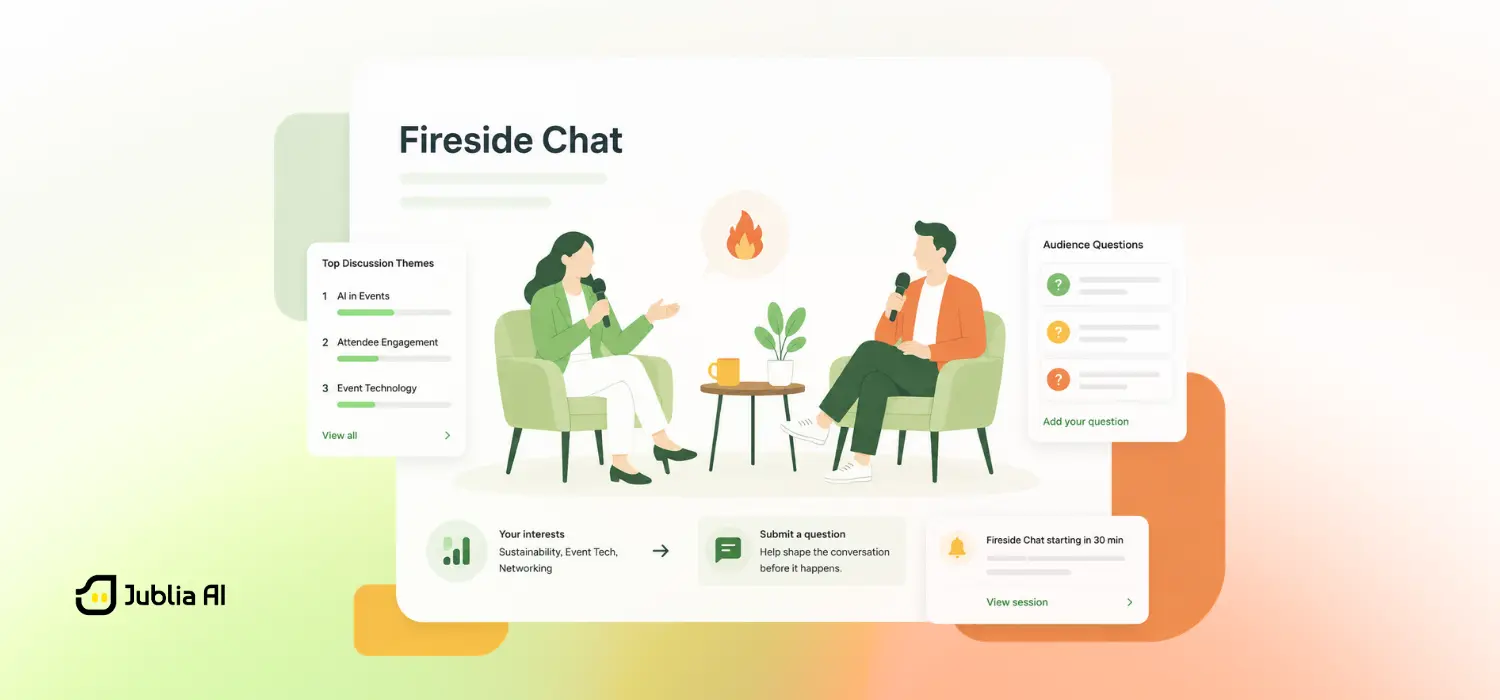 How to Drive Engagement at Business Events with Fireside Chats
A great fireside chat isn't just interactive, it responds to attendees’ burning questions about what matters most to them
 Micro-Events: How They Can Be the Next Addition for Your Event Strategy
There’s a growing demand for more intimate networking, but does it fit into your event portfolio?
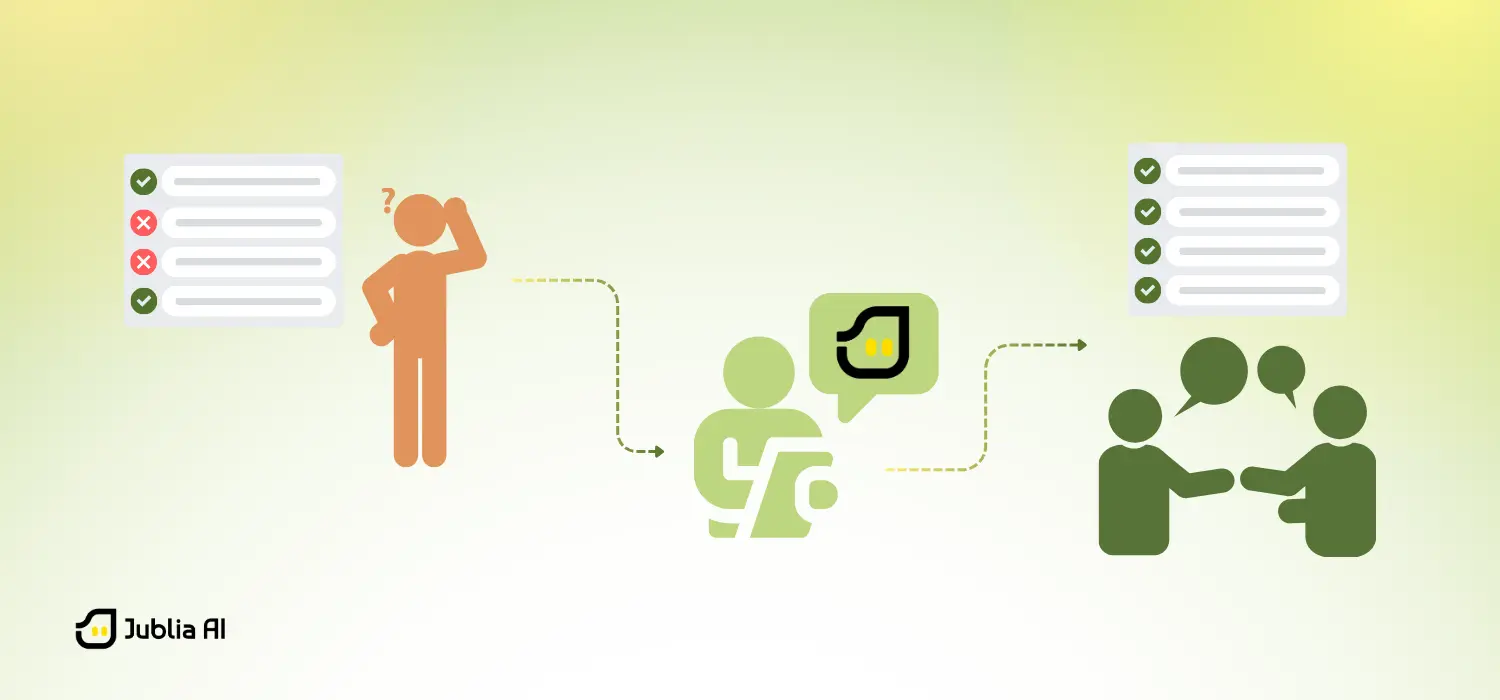 The Communication Engine: Orchestrating Event Engagement with Jublia AI’s Concierge Delivery
Engagement doesn’t happen on its own — it’s designed


.gif)
%201.png)
%201.png)
%201.png)
--p-2000.webp)
%20Black-Black%20Eyes.gif)


.png)