Actual article date: Jun 4, 2015
Recently we have been working with a slew of events all the way from Finland to Chicago and we have studied the various marketing campaigns that different organisers offer their clients (exhibitors and sponsors). We have also heard honest feedback directly from their end-customers (visitors and delegates) via our personalised concierge service.
We noticed that varying levels of attention is being paid to Customer Centricity between different event organisers, although we already know the benefits of having a good focus on Customer Centricity from a marketing standpoint.
To create a stronger focus on Customer Centricity, organisers must invest money and time to create the appropriate engagement channels that interacts with your customers. Engagement channels in any event include app-to-person, person-to-person and mails-to-person. Most importantly, any engagement channel that you use must be tightly coupled with a robust backend that filters the raw data into client and end-customer insights for you.
While technology and traditional channels come together to offer a plethora of engagement mediums in an event, we are seeing an increasing number of organisers offering too many under-performing channels in their events. This results in their end-customers being engaged in different channels, where some of the latter may not even be relevant to them.
Under performing channels are more often than not, the channels that irritates your end-customers due to irrelevancy of information.
Business matching is one such channel that can under perform if not managed well.
This is because there will definitely be overzealous vendors or sellers in your event who will be using your tool to try to “spam” meeting requests to your end-customers regardless of relevancy. If they have paid a huge amount for your event (events are one of the most expensive marketing activities), it is only natural that they will want to achieve the most out of your event.
Therefore, organisers should be in control of the communications that trickles down to their customers. The key point to note is ‘Comfortable Engagement’. This means all attempts must be made to simplify and condense information into a single email or brochure before sending it to your end-customers. The last thing any organisers want to do, is to alienate key end-customers in your show by overwhelming them with information beyond a comfortable level.
So how can we take it from here? I strongly suggest project teams to take a step back, curate their engagement channels to focus on delivering the most relevant information and to streamline their communication channels within a comfortable level for your end-customers and clients. Curation and streamlining your communication is most effective when you already have the essential data at hand to base those endeavours upon. Always back up your gut feelings with data, or risk going into the wrong direction, just like in the video shown above.


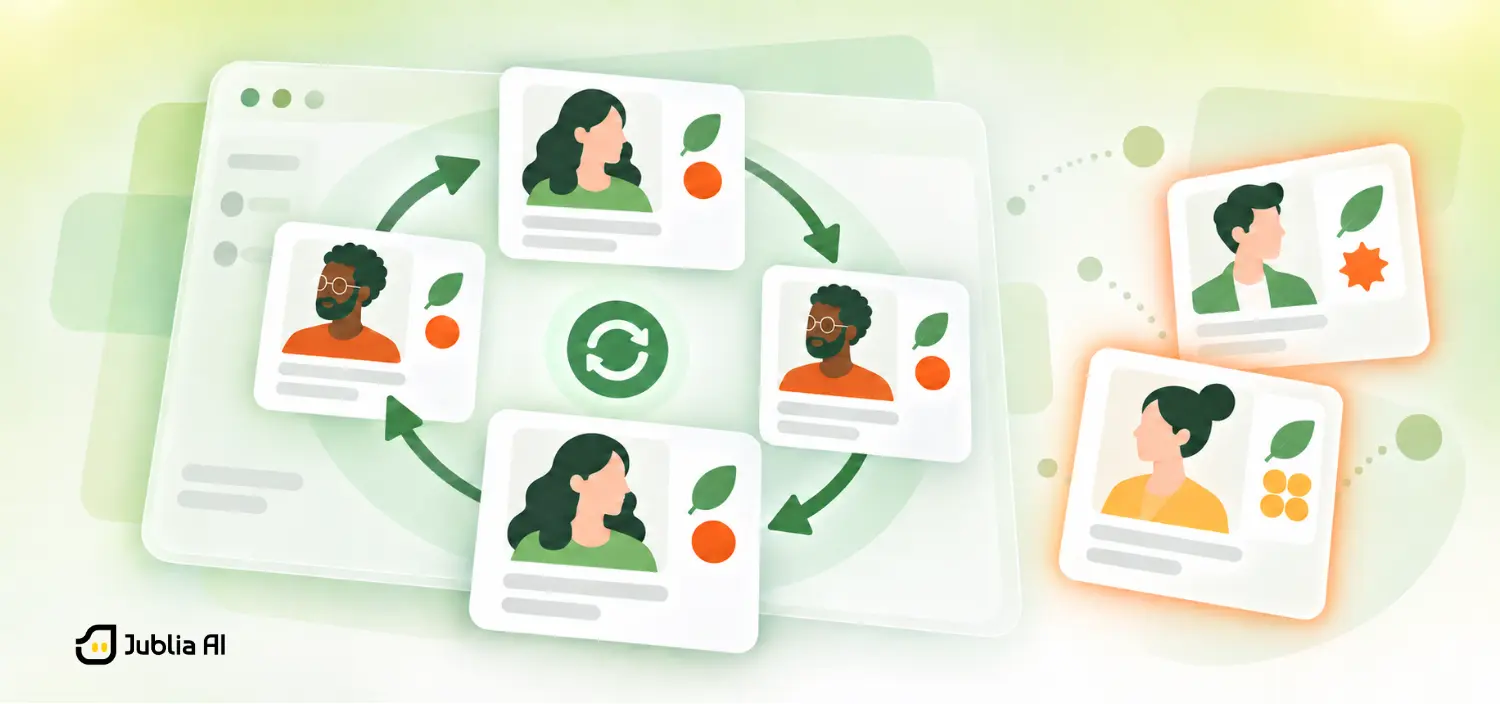 Why Relevant Matches Get Overlooked When Recommendations Become Too Narrow
Recommendations help curate options at events, but what happens when they get too narrow and repetitive
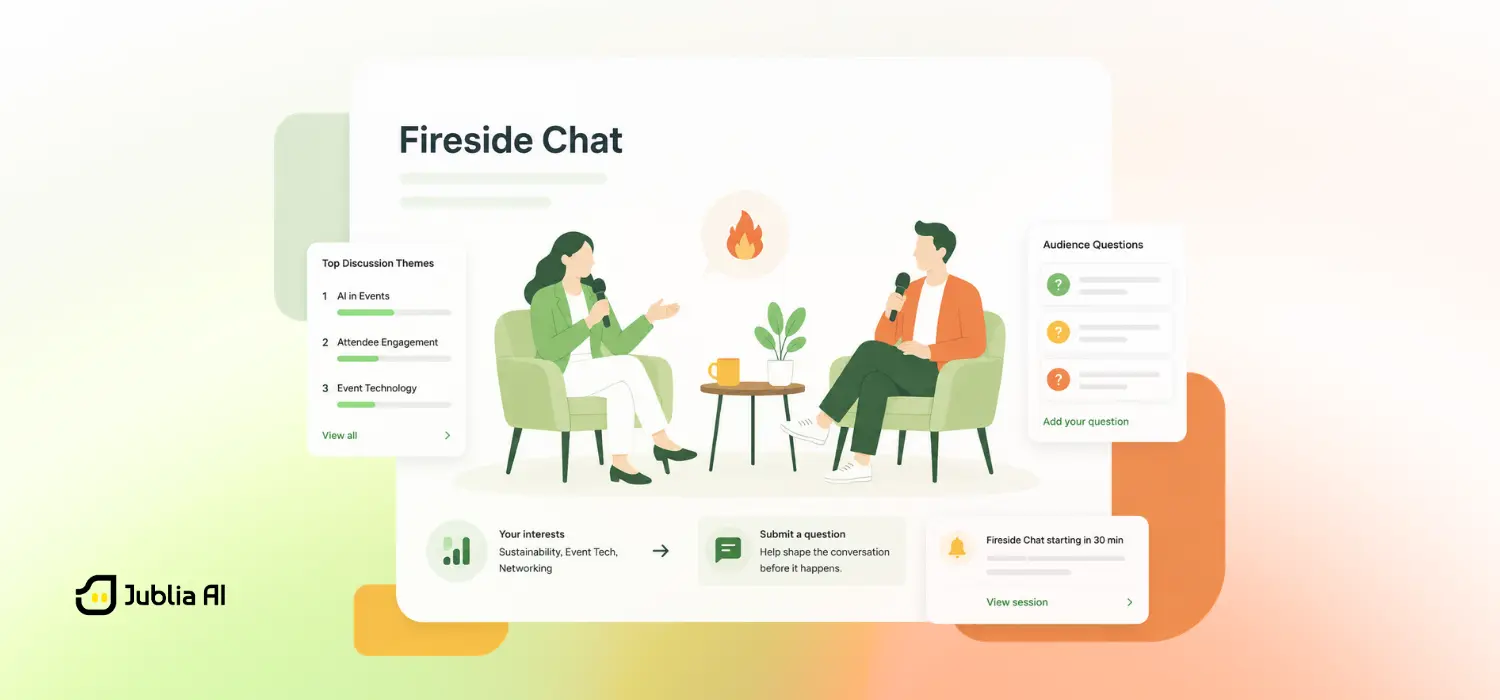 How to Drive Engagement at Business Events with Fireside Chats
A great fireside chat isn't just interactive, it responds to attendees’ burning questions about what matters most to them
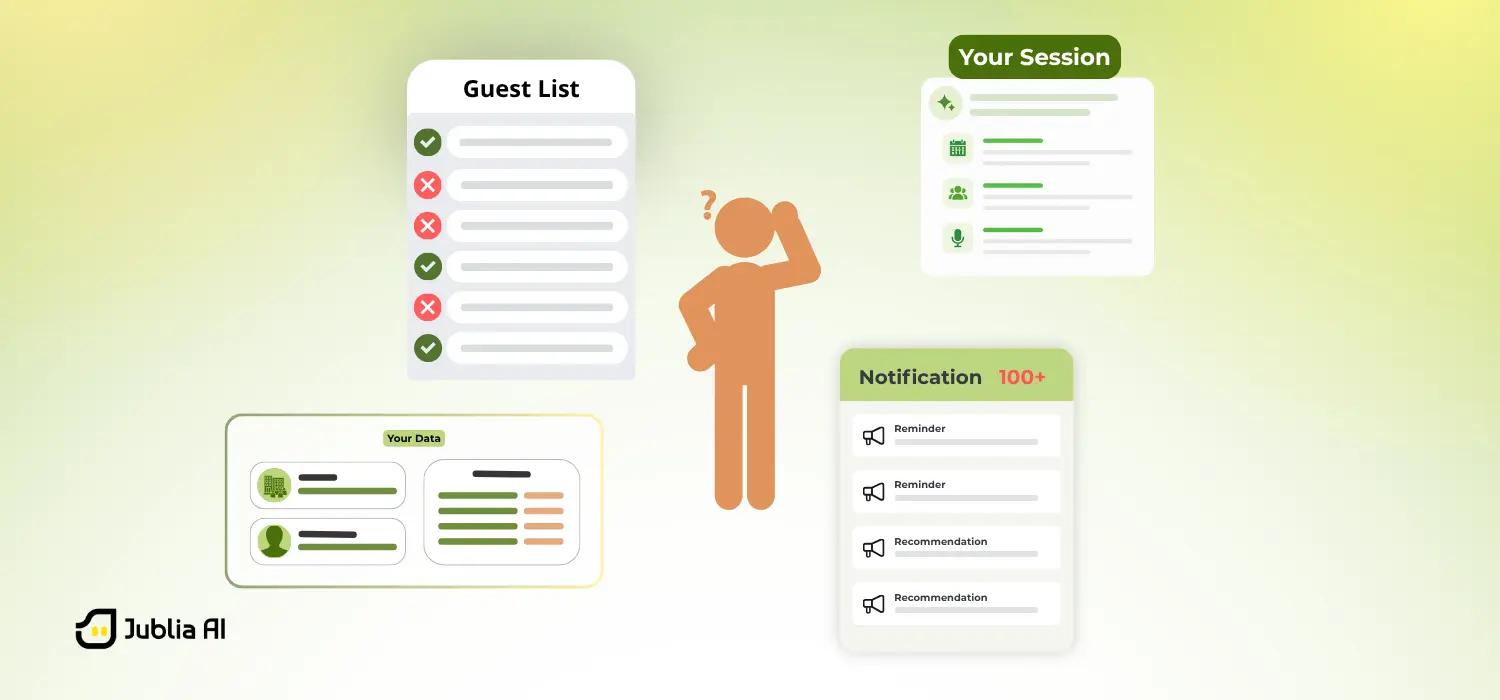 How Personalization Can Reintroduce Friction Instead of Curating Options
Why the data behind your recommendations decides whether they curate the event for attendees, or just relabel the same choice problem.


.gif)
%201.png)
%201.png)
%201.png)
--p-2000.webp)
%20Black-Black%20Eyes.gif)


.png)