
From AI-Powered to AI-Native: Why Event Platforms Need to Learn
Why “AI-powered” isn’t enough – and how AI-Native platforms actually change how events run
February 11, 2026
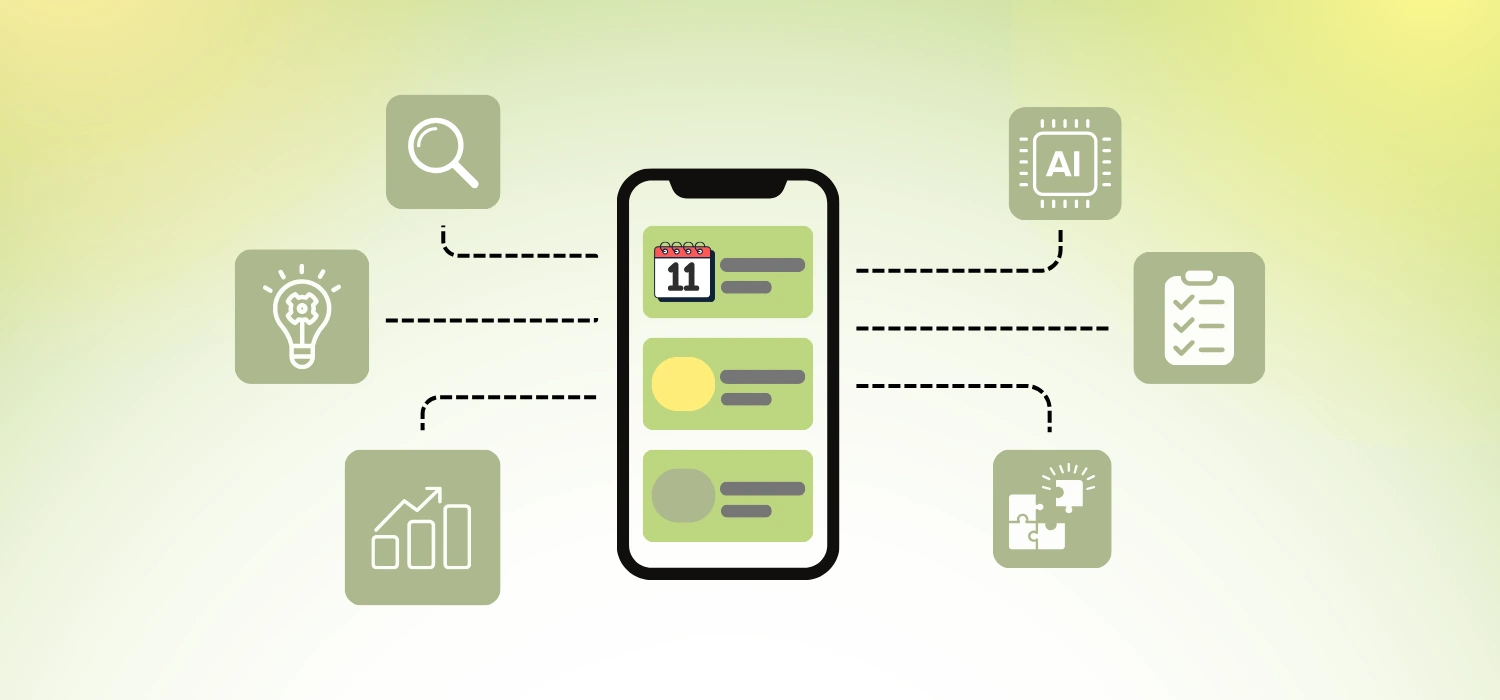
Every event team today is told they’re running an “AI-powered” event. Yet for many events, the experience still feels fragmented. Discovery feels generic, interactions feel reactive, and it’s hard to tell whether AI is actually improving attendee relevance, engagement, or long-term value.
If AI is meant to make events smarter, why do so many experiences still feel disconnected and one-off?
The difference lies in how AI is built into the platform. Most event technology today is AI-powered, meaning AI is layered on top of existing systems as a feature. An AI-native platform is fundamentally different. AI is not an add-on. It is the operating system. It is embedded into the platform’s core architecture, shaping how data is interpreted, how signals connect, and how the system adapts over time.

Most event platforms measure activity well. They track clicks, meetings, attendance, and engagement. But measurement alone doesn’t explain what those signals mean or how organizers should act on them.
This is where AI-powered and AI-native diverge.
In an AI-powered system, intelligence lives at the feature level. It reacts to inputs, generates outputs, and reports results. You can see which sessions were popular, how many meetings were booked, or which profiles were viewed. The system tells you what happened.
In an AI-native system, intelligence connects those signals in context. It identifies patterns across discovery, interaction, and outcomes. It interprets intent. The system does not just report activity. It helps explain why it is happening and what it suggests while the event is still in motion.
Imagine a live event moment when attendees begin searching similar use cases, browsing related exhibitors, and asking overlapping questions.
In AI-powered environments, these insights emerge only after the event , whereas AI-native systems reveal the pattern as it unfolds. This enables organizers to act in real time, shaping outcomes instead of simply reviewing them afterward.
This is what understanding looks like. Not just tracking behavior, but interpreting intent and enabling action while the event is still unfolding.
For event organizers, AI-native shows up in how discovery works, how the system adapts across touchpoints, and whether learning compounds over time.
Most event discovery still relies on filters, categories, and keywords. Attendees must know what to search for, while organizers try to anticipate every possible query in advance.
In AI-native systems, discovery starts with intent. Attendees ask questions in natural language, and the system focuses on what they are trying to achieve rather than matching exact terms. As real questions emerge, discovery improves because the underlying models refine their understanding of patterns, not because rules are manually returned.
The result is more relevant connections and content surfaced faster, reducing search friction and increasing the likelihood that attendees find what truly matches their goals.
In AI-native platforms, learning is embedded into how the system operates from the start, not added later as an enhancement layer. Over time, this reduces operational friction—not by adding more tools, but by changing how the platform thinks and adapts.
This learning becomes visible while the event is live. Organizers can see what attendees are asking, where friction appears, and which areas need attention. Instead of waiting for post-event reports to identify missed opportunities, teams receive real-time signals that allow them to fix it while engagement is still happening.
And this learning does not stop when the event ends. It carries forward, informing future events through accumulated behavioral patterns rather than resetting each time.
To support this continuity, AI-native platforms centralize intelligence rather than just configuration. The same underlying models interpret signals across web, app, widgets, and other channels, allowing recommendations and prioritization to adapt consistently as attendee behavior shifts. Consistency does not come from repeating setup. It comes from shared intelligence that evolves across all touchpoints simultaneously.
As AI becomes commonplace in event technology, automation alone is no longer a differentiator. Understanding is. The platforms that will matter most are not the ones that add intelligence on top, but the ones that learn as events unfold and carry that learning forward. This shift is already reshaping how organizers think about discovery, insight, and operational effort – changing how success is measured: not just what happened, but by what the system understood and acted on in time.
This is the foundation Jublia AI is built on. An AI-native platform designed to learn from interaction, surface insight when it matters, and support organizers as events unfold – not just after they’re over.
If you’re rethinking how you evaluate event technology, we’re always open to conversation about what AI-native looks like in practice. And if this perspective resonates, follow us on LinkedIn for more thinking on where event technology is headed next.


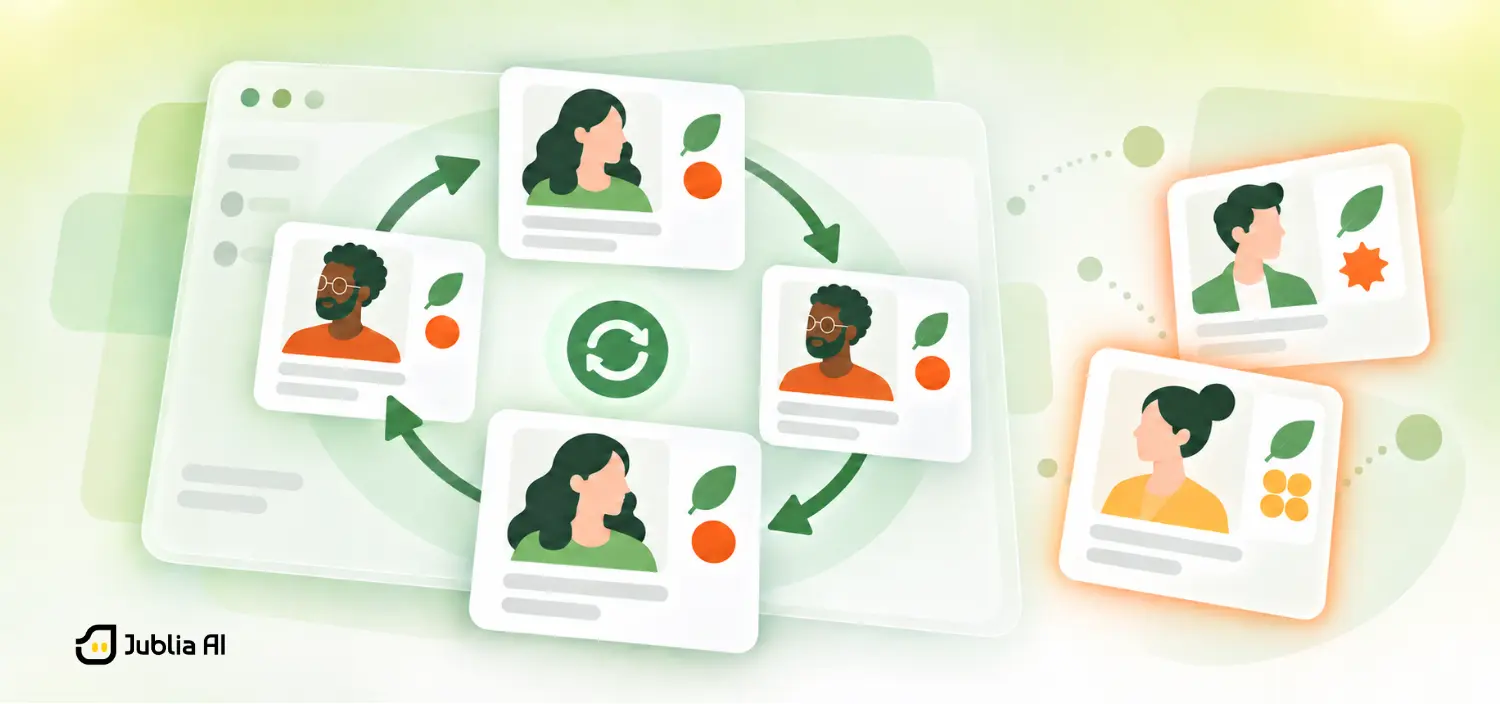 Why Relevant Matches Get Overlooked When Recommendations Become Too Narrow
Recommendations help curate options at events, but what happens when they get too narrow and repetitive
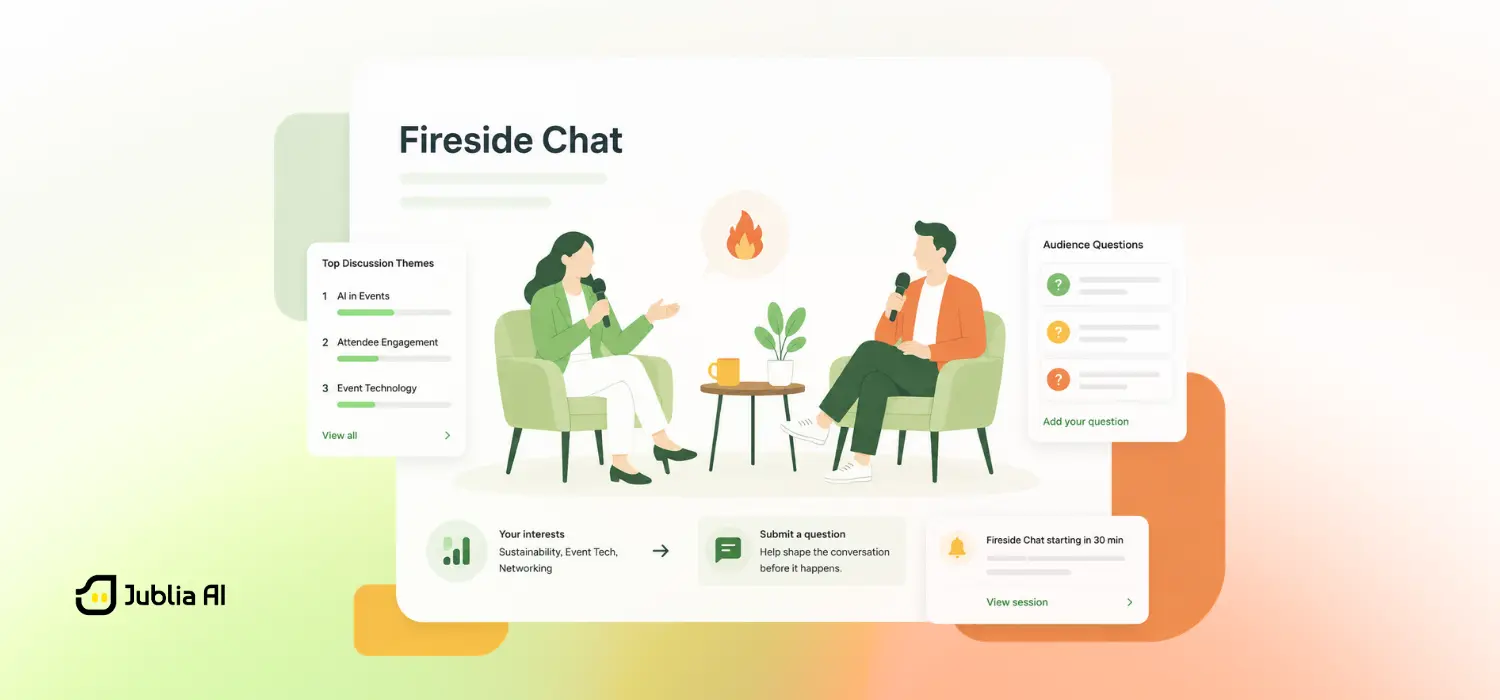 How to Drive Engagement at Business Events with Fireside Chats
A great fireside chat isn't just interactive, it responds to attendees’ burning questions about what matters most to them
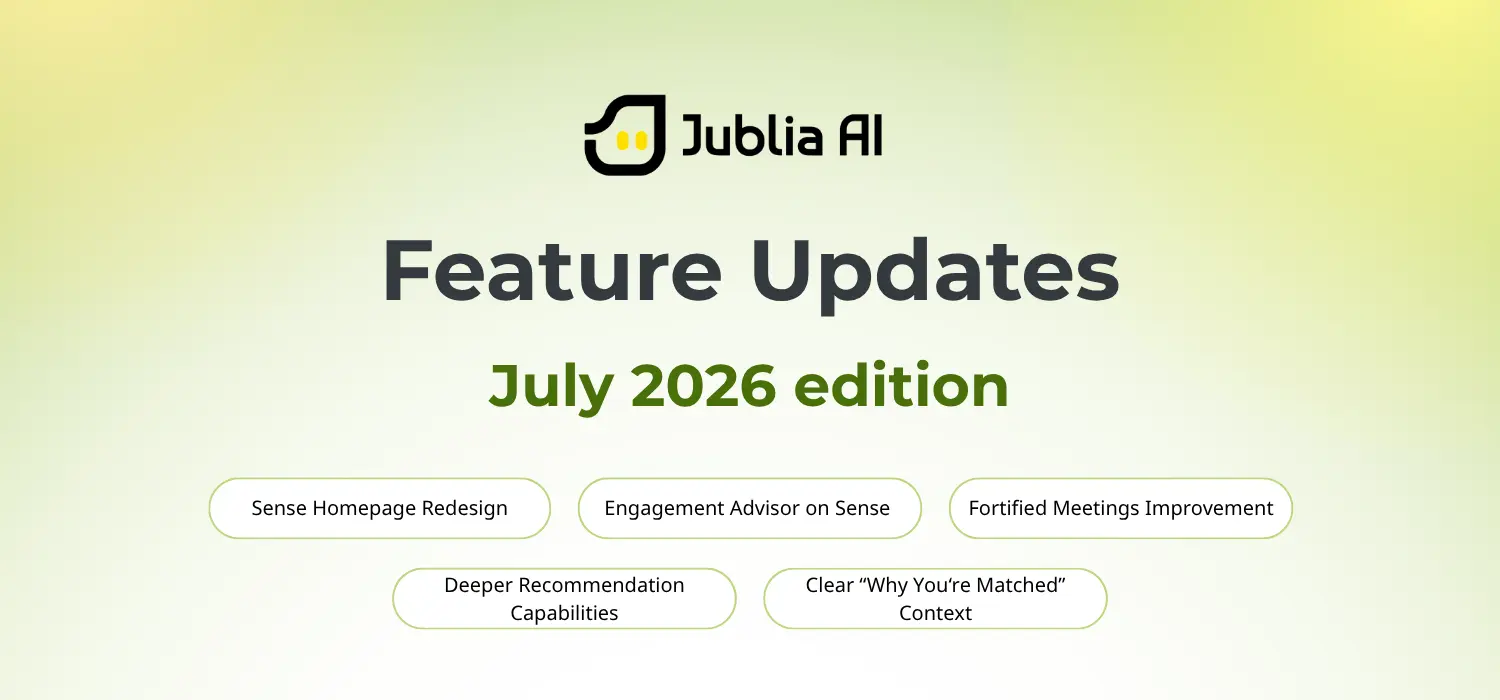 What’s new in Jublia AI: July 2026 Releases
Major improvements in delivering more streamlined event management for organizers and a better engagement experience for attendees


.gif)
%201.png)
%201.png)
%201.png)
--p-2000.webp)
%20Black-Black%20Eyes.gif)


.png)