
Are you learning from your attendees?
March 6, 2016
Actual article date: Mar 6, 2016
For years, exhibition and conference organizers have been collecting data from event participants. When it comes to the world of professional events, we have no shortage of data and this increases in its vertical type and horizontal reach as the industry embraces a more tech savvy dynamic future.
Until recently, most of the data (such as demographic information, content selections and activity interests) have been self-reported. With new technologies, organizers can now expand and build on new credible implicit data without the need for event participants to self-report. These new kinds of data include behavioral data from wearables, wifi spots and also the participant’s mobile devices. Some smarter organizers, have even managed to farm and harvest interaction data which shows the true (industry, product, demographic, peer, etc.) interest of the participant.
So what have you been learning from your attendees? Here are 3 learning points that I’d like to share with you.

Gone are the days of combing through surveys to discover what product or content your attendees are looking for (and whether you have fulfill them). Now, participants have the capability to utilize technology to search and complete key tasks in increasingly brief interactions. These interactions though fleeting hold the true value which tells us what participants at the event are looking for. Are you leveraging on the fact that your customers are turning to the online medium? Have you provided them with one?

There are different stakeholders in your event who are participate for different objectives. We all know that, but are you analyzing them differently too? Sometimes, the attendee segment that invests the most at the event is looking for a very different objective than you might assume. If these investments are what makes or breaks the event eventually, I’ll leave it to you to decide whether such analysis should be left to assumptions!

Have you ever found yourself in a situation where an attendee is unhappy about his / her participation and you have nothing substantial to back up all your tireless efforts spent to make this customer happy? Having the data to back up your efforts as well as the claims from your customer might just be the difference in retaining them and ensuring their continued investment with you.
Learning how attendees behave and interact in an event is critical. After all, as event organizers the only IP you have is your attendees! Furthermore, these insights add to the big event story that is only partially formed by registration data. It is strategizing what type of data you should be collecting, learning through analyzing the story the data tells us, surgically applying what we have learnt through actions, and lastly, measuring the outcomes to ensure a comprehensive fulfillment of the needs and wants of event participants. Learning from your attendees would enable organizers to design the marketing, programming and attendee list of the event to fit what existing and future customers are looking for.
If you like to further discuss what we should be learning from our attendees, and more importantly how to apply these learning points we’d love to speak with you. Write to us here.


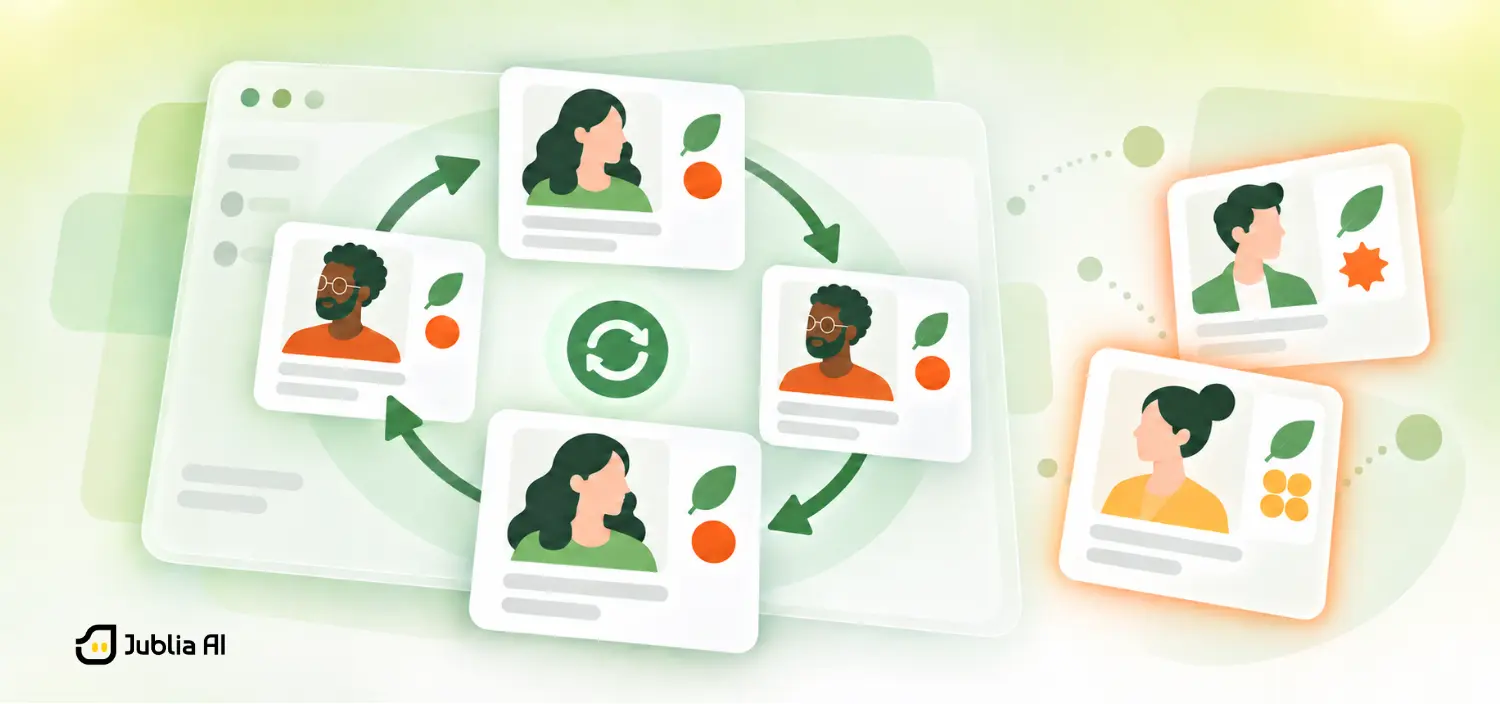 Why Relevant Matches Get Overlooked When Recommendations Become Too Narrow
Recommendations help curate options at events, but what happens when they get too narrow and repetitive
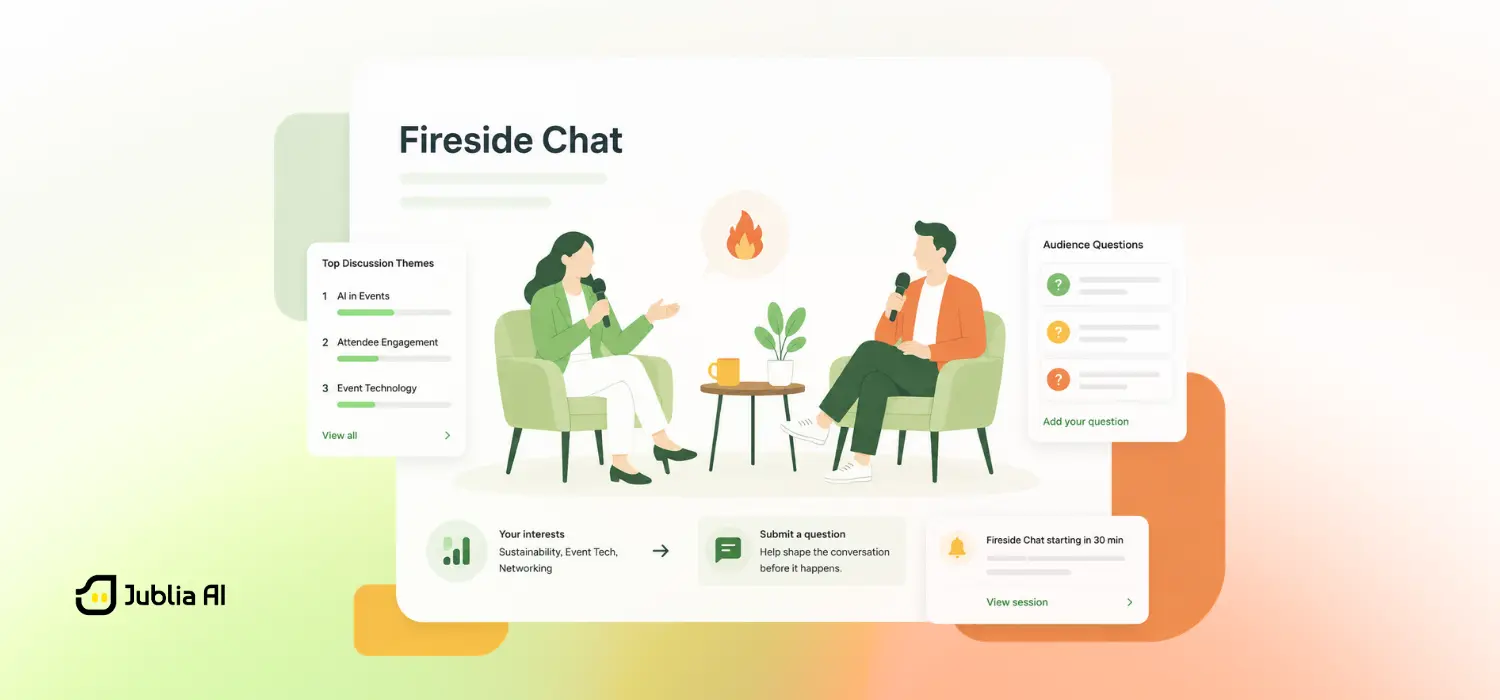 How to Drive Engagement at Business Events with Fireside Chats
A great fireside chat isn't just interactive, it responds to attendees’ burning questions about what matters most to them
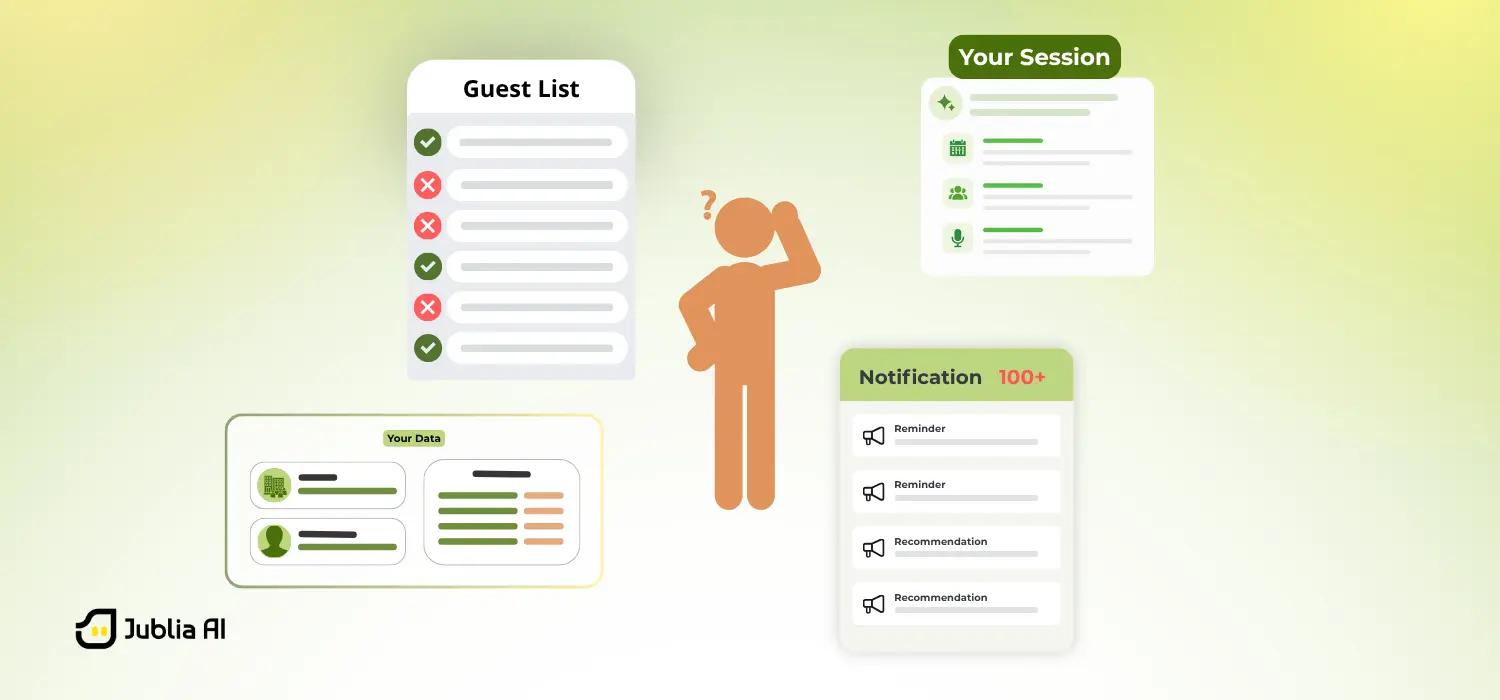 How Personalization Can Reintroduce Friction Instead of Curating Options
Why the data behind your recommendations decides whether they curate the event for attendees, or just relabel the same choice problem.


.gif)
%201.png)
%201.png)
%201.png)
--p-2000.webp)
%20Black-Black%20Eyes.gif)


.png)